
Living in New Rochelle, New York, we’re familiar with unpredictable weather—from humid summers on Long Island Sound to chilly, blustery winters. For many residents, these weather swings aren’t just something to discuss over coffee—they can lead to an increase in joint pain. But why does this happen? As a chiropractor practicing in New Rochelle, I’m frequently asked whether weather truly affects joint health, and what can be done about it.
Understanding the Link Between Weather and Joint Pain
Many people with arthritis or other chronic joint conditions notice their symptoms worsen before a rainstorm or when the temperature drops. This isn’t just anecdotal—there’s scientific evidence that changes in barometric pressure, humidity, and temperature can all influence joint pain.
- Barometric Pressure Drops: Before storms or as cold fronts move in, atmospheric pressure falls. Lower pressure means less air pressing on your body, which can allow tissues inside your joints to expand. This expansion can irritate nerves surrounding the joints and intensify pain, stiffness, or swelling.
- Cold Temperatures: Cold can make muscles, tendons, and ligaments tighten, reducing joint mobility and increasing discomfort. This is particularly noticeable during New Rochelle’s winters, when temperatures can dip quickly.
- Humidity and Rain: High humidity combined with lower pressure can worsen joint pain. Dampness may also increase sensitivity in already inflamed joints, making activities like walking the Hudson Park trails more challenging.
Why Are Joint Pains More Noticeable in New Rochelle?
New Rochelle residents experience all four seasons, sometimes in a single week! Our location near the water means we’re especially susceptible to moisture-laden air and rapid barometric shifts that trigger joint discomfort.
Common complaints from locals include:
- Stiff fingers when shoveling snow or scraping ice from windshields in winter
- Increased knee or hip pain when humidity rises before summer thunderstorms
- Achy joints during sudden autumn cold snaps—right when outdoor festivals or farmer’s markets make us want to be active
Who Is Most Likely to Feel Weather-Related Joint Pain?
While anyone can experience fluctuations in discomfort, certain populations in New Rochelle are more likely to notice weather-related symptoms:
- People with arthritis (osteoarthritis or rheumatoid): Cartilage damage or inflammation makes joints more sensitive to external pressure changes.
- Older adults: Joint tissues naturally lose elasticity with age.
- People with previous joint injuries: Old injuries can leave joints more prone to weather sensitivity.
- Active individuals: Runners, tennis players, or those who enjoy Glen Island Park may feel increased stiffness when the weather isn’t ideal.
Managing Weather-Induced Joint Pain in New Rochelle
Knowing that weather can impact joint health is empowering, because it means we can proactively manage symptoms. Here are practical strategies to reduce the impact of weather changes on joint pain for New Rochelle residents:
1. Keep Joints Warm
- Dress in layers during cold spells; use gloves, scarves, and heated blankets.
- Warm towels or hot packs applied to affected joints can relieve stiffness in the morning.
2. Stay Active, Even Indoors
- Gentle stretching or yoga indoors helps maintain flexibility when it’s too damp or chilly for a walk along Five Islands Park.
- Swimming at local indoor pools, like those at community centers, offers low-impact exercise all year round.
3. Practice Good Joint Care
- Use proper lifting techniques while raking leaves or moving outdoor furniture as seasons change.
- Consider joint supplements (like glucosamine and chondroitin) with your doctor’s approval.
4. Stay Hydrated
- Dehydration can make joint tissues more susceptible to pain, especially as our local summers get muggy.
- Aim for eight glasses of water daily to maintain optimal joint lubrication.
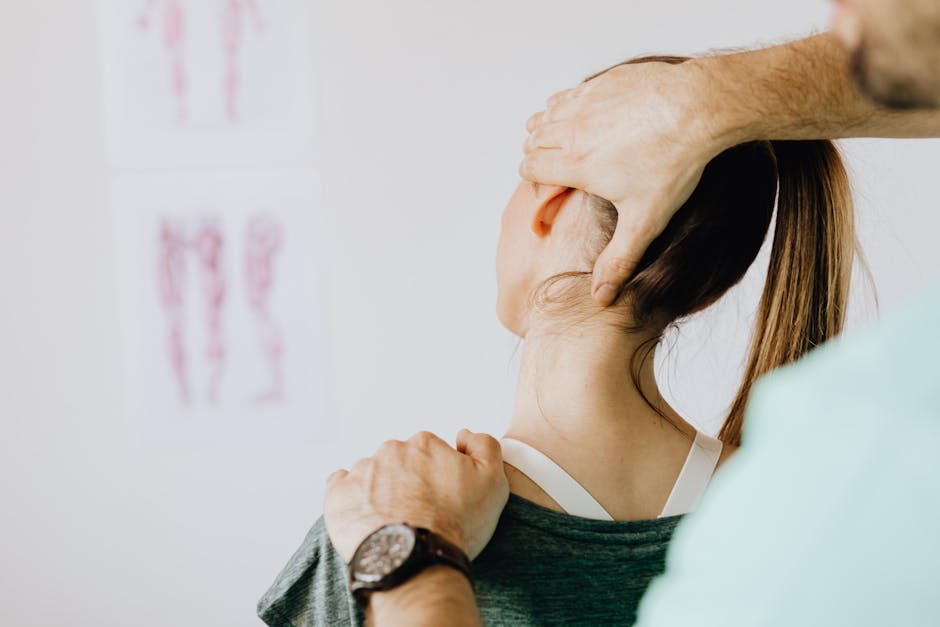
5. Get Regular Chiropractic Adjustments
- Spinal and joint adjustments help keep the musculoskeletal system aligned and flexible, which can reduce weather-related aches. If you notice patterns with your joint pain and specific types of weather, share them with your chiropractor for personalized advice.
6. Monitor the Forecast
- Pay attention to local weather forecasts and plan high-impact activities for milder days. If a storm or cold snap is on the way, give yourself extra time to warm up and avoid overexertion.
- Consider using weather-tracking apps to spot patterns in flare-ups and discuss these patterns with your healthcare provider.
When to Seek Medical Advice
Not all joint pain is harmless, and it’s important to recognize when to reach out to a professional:
- Sudden, severe joint pain
- Redness or significant swelling
- Pain that doesn’t improve with rest or at-home care
If your joint pain is interfering with your ability to work, go to school, or enjoy New Rochelle events and parks, it’s time to consult a healthcare provider. Early intervention can help prevent long-term damage.
The Takeaway for New Rochelle Residents
Joint pain related to weather changes is a common complaint, especially in climates as dynamic as ours here in New Rochelle. Understanding how temperature, barometric pressure, and humidity impact joint health—and taking proactive steps to protect yourself—can go a long way towards staying comfortable year-round.
Remember, you don’t have to accept weather-related aches as a fact of life. With the right strategies, enjoying all that New Rochelle has to offer is possible—no matter what’s on the forecast.
