
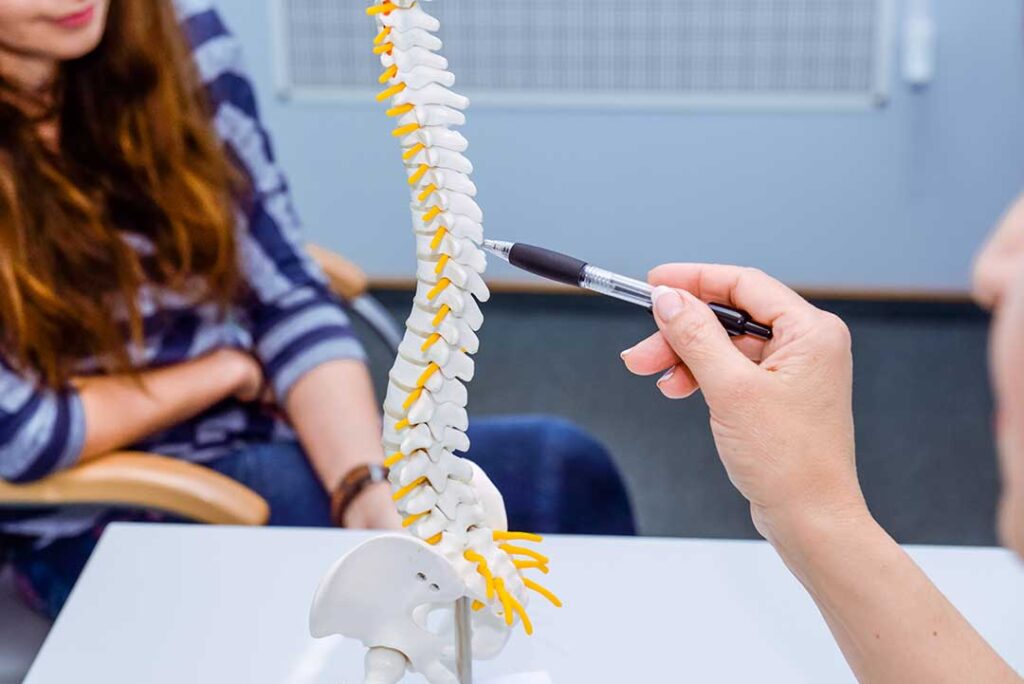
People in New Rochelle, NY often use the word “wellness” to mean more than being free from pain. It may include moving comfortably, sleeping well, managing stress, staying active, and having the confidence to handle everyday physical demands.
Chiropractic can contribute to that broader goal, particularly when it is used as one part of a coordinated, evidence-informed approach. Its strongest role is generally related to the musculoskeletal system—the muscles, joints, nerves, and connective tissues involved in movement—not the treatment or prevention of every health condition.
What does chiropractic contribute to holistic wellness?
Chiropractic care commonly focuses on evaluating movement, identifying sources of musculoskeletal pain or restricted motion, and using hands-on techniques, exercise guidance, or self-management strategies to improve function.
Spinal manipulation is one technique used in chiropractic care. It involves applying a controlled force to a spinal joint. Mobilization uses slower, gentler movement within a joint’s normal range. Other care may include soft-tissue techniques, stretching, strengthening exercises, posture education, or advice about daily activities. ([nccih.nih.gov](https://www.nccih.nih.gov/health/spinal-manipulation-what-you-need-to-know?utm_source=openai))
A holistic approach does not mean treating every problem with one method. It means considering how several factors affect a person’s ability to function, such as:
- Physical activity and strength
- Work, commuting, and household demands
- Sleep quality and recovery
- Stress and muscle tension
- Previous injuries
- Health conditions and medications
- The person’s goals, preferences, and tolerance for different treatments
For a resident managing recurring back discomfort after long periods of sitting, for example, a useful plan may involve movement assessment, short-term symptom relief, gradual exercise, better work habits, and medical evaluation when symptoms do not fit a routine musculoskeletal pattern.
Which conditions may benefit from chiropractic care?
The clearest evidence relates to some types of low-back pain, neck pain, and other musculoskeletal complaints. Research summarized by the National Center for Complementary and Integrative Health indicates that spinal manipulation may provide modest improvements in pain and function for acute and chronic low-back pain. Benefits are generally comparable to those of other conservative approaches, rather than dramatically superior to them. ([nccih.nih.gov](https://www.nccih.nih.gov/health/spinal-manipulation-what-you-need-to-know?utm_source=openai))
For chronic primary low-back pain, the World Health Organization includes spinal manipulative therapy among physical therapies that may be offered as part of nonsurgical care. The recommendation is conditional, and the certainty of evidence is described as very low. This supports a measured interpretation: chiropractic may be reasonable for some people, but it is not automatically appropriate or effective for everyone. ([who.int](https://www.who.int/news/item/07-12-2023-who-releases-guidelines-on-chronic-low-back-pain?utm_source=openai))
Neck pain and certain headache patterns may also improve with manipulation or mobilization, although the quality and consistency of evidence vary. Headaches that appear to originate from the neck are different from all migraine or neurological conditions, so the cause of head pain matters before treatment is selected. ([nccih.nih.gov](https://www.nccih.nih.gov/health/spinal-manipulation-what-you-need-to-know?utm_source=openai))
Chiropractic should not be presented as a proven treatment for conditions such as high blood pressure, asthma, digestive disorders, infections, or cancer. Reviews of spinal manipulation for non-musculoskeletal diseases have not shown clear preventive or therapeutic benefits. ([nccih.nih.gov](https://www.nccih.nih.gov/health/spinal-manipulation-what-you-need-to-know?utm_source=openai))
Can chiropractic support prevention?
Chiropractic may help some people maintain activity by addressing recurring stiffness, movement limitations, or musculoskeletal pain. That is different from claiming that routine adjustments prevent disease in general.
A realistic prevention strategy focuses on habits with broader support:
- Regular walking, resistance training, or other appropriate exercise
- Gradual increases in physical activity
- Learning safe lifting and movement techniques
- Taking breaks from prolonged sitting
- Maintaining adequate sleep and recovery
- Managing stress and avoiding tobacco
- Addressing injuries before they become persistent problems
For households dealing with winter ice, repeated stair use, home maintenance, or seasonal changes in outdoor activity, preparation and gradual conditioning may be more useful than relying on passive treatment alone. Chiropractic, when appropriate, can be one component of that plan rather than a substitute for exercise or primary medical care.

What should a person expect from an evidence-informed visit?
A responsible evaluation should begin with questions about symptoms, medical history, previous injuries, medications, activity level, and personal goals. The examination may include movement, strength, balance, reflexes, and neurological screening.
Treatment should be explained in understandable terms. A person should know:
- What problem the treatment is intended to address
- Which techniques may be used
- What improvement is reasonably expected
- What alternatives are available
- How progress will be measured
- When treatment should be changed or stopped
A wellness-oriented plan should not depend on indefinite care without a clear purpose. Progress may be assessed through improved walking, lifting, sleep, work tolerance, range of motion, or reduced interference from pain—not simply by the number of visits or the frequency of adjustments.
Exercise and self-management are especially important because lasting improvement usually depends on what a person can safely do between visits. For some conditions, coordination with a primary care clinician, physical therapist, neurologist, or other qualified provider may be appropriate.
Is chiropractic treatment safe for everyone?
Spinal manipulation is generally associated with temporary soreness, stiffness, headache, or increased discomfort. These effects commonly resolve within a short period. Serious complications are rare, but they have been reported, and risk may be higher when a person has an underlying health problem. A thorough health history is therefore essential. ([nccih.nih.gov](https://www.nccih.nih.gov/health/spinal-manipulation-what-you-need-to-know?utm_source=openai))
Neck manipulation deserves particular caution. Severe or unusual neck pain, sudden headache, dizziness, weakness, numbness, trouble speaking, vision changes, or difficulty walking require urgent medical assessment rather than routine manipulation. Neck artery problems are rare, and research has debated whether manipulation causes them, but the possibility should be discussed openly. ([nccih.nih.gov](https://www.nccih.nih.gov/health/spinal-manipulation-what-you-need-to-know?utm_source=openai))
People who are pregnant, have osteoporosis, inflammatory arthritis, cancer, recent trauma, blood-clotting concerns, neurological symptoms, or significant heart or vascular disease should disclose those conditions before treatment. In some situations, a different approach or medical evaluation is more appropriate.
How can local residents judge whether chiropractic fits their wellness plan?
A useful question is not “Does chiropractic work for everything?” but “Is this a reasonable option for this specific problem, and how will its value be measured?”
For uncomplicated musculoskeletal pain, chiropractic may be considered alongside exercise, physical therapy, medication when appropriate, heat or cold, and education. For severe, unexplained, progressive, or systemic symptoms, medical assessment takes priority.
Holistic wellness is strongest when it remains practical and evidence-aware. Chiropractic may help improve comfort and movement for selected musculoskeletal conditions, but its role is narrower than broad claims about whole-body disease prevention. The most balanced approach combines informed consent, realistic expectations, active self-care, and timely referral when symptoms suggest a problem beyond routine joint or muscle dysfunction.
