
Travel is an essential part of life for many New Rochelle residents, whether you're commuting into Manhattan, taking weekend trips to Upstate New York, or jetting off for business or vacation. Unfortunately, long hours spent sitting in cars, trains, planes, or even buses can take a toll on your lower back. As a trusted chiropractor serving New Rochelle and its vibrant, active communities, I’ve seen firsthand how travel-related lower back pain can impact daily life. The good news? With proper planning and a few key strategies, you can prevent lower back pain and enjoy both the journey and the destination.
Understanding Lower Back Pain During Travel
Lower back pain during travel is a common complaint, especially for those who spend extended periods seated in less-than-ideal postures. When you travel, your lower back muscles, discs, and joints are subjected to sustained pressure and awkward angles, which can aggravate existing issues—or create new ones.
If you live in New Rochelle, you may find yourself taking Metro-North trains into New York City, driving long distances on the Hutchinson River Parkway, or even flying out of nearby airports. Each mode of travel presents its own ergonomic challenges, but the underlying risks to your spine are remarkably similar: lack of movement, poor lumbar support, and repetitive stress.
Top Tips to Prevent Lower Back Pain While Traveling
Preventing lower back pain isn't just about comfort—it's about maintaining an active, healthy lifestyle, even when life gets busy. Here are some practical tips tailored for residents of New Rochelle and frequent travelers alike:
1. Prepare Before You Go
- Warm Up: Before a road trip or train ride, take five minutes to stretch your back, hips, and hamstrings. Gentle movements like knee-to-chest pulls, pelvic tilts, and calf stretches can help.
- Pack Smart: Use luggage with wheels. Lift with your legs, not your back. Distribute weight evenly if you’re using a backpack or tote, common for New Rochelle’s Metro-North commuters.
2. Choose the Right Seating
- In Cars: Adjust your seat so your knees are level with or slightly higher than your hips. Use a small pillow or specialty lumbar roll for support, especially on longer drives up I-95 or across the Bronx River Parkway.
- On Trains/Buses: Whenever possible, choose a seat with adequate support. Many Metro-North riders enjoy the quiet car—bring your support pillow if needed.
- On Airplanes: Airline seats are notorious for bad lumbar support. Ask for an extra pillow, or bring your own for the lower back.
3. Keep Moving
- On the Road: Plan regular stops—try every hour or two to get out, walk around, and stretch. If you're on a group trip west to the Hudson Valley, use scenic overlooks as stretch breaks!
- On Public Transit: Stand and gently stretch your legs and back during stops, if possible. Even a short stroll at Grand Central can alleviate stiffness.
- In the Air: Get up and move at least once per hour. Simple stretches in the aisle, ankle pumps, and shifting your weight can help your circulation and spinal health.
4. Pay Attention to Posture
- Sit upright with your shoulders relaxed and feet flat on the floor.
- Avoid slouching, crossing your legs, or letting your pelvis tuck under.
- Use any available support—portable lumbar cushions can make a world of difference during that Amtrak ride or long flight.
5. Hydrate and Eat Smart
- Dehydration can make your tissues less resilient. Keep a water bottle handy, whether you’re on a Metro-North train or in a car.
- Avoid heavy, salty foods before travel, as they can promote inflammation and discomfort.
6. After You Arrive
- Give your body a few minutes to stretch and walk around—especially after an extended trip.
- Use heat packs or ice if you notice any stiffness or discomfort. Don’t ignore pain—listen to your body and rest if needed.
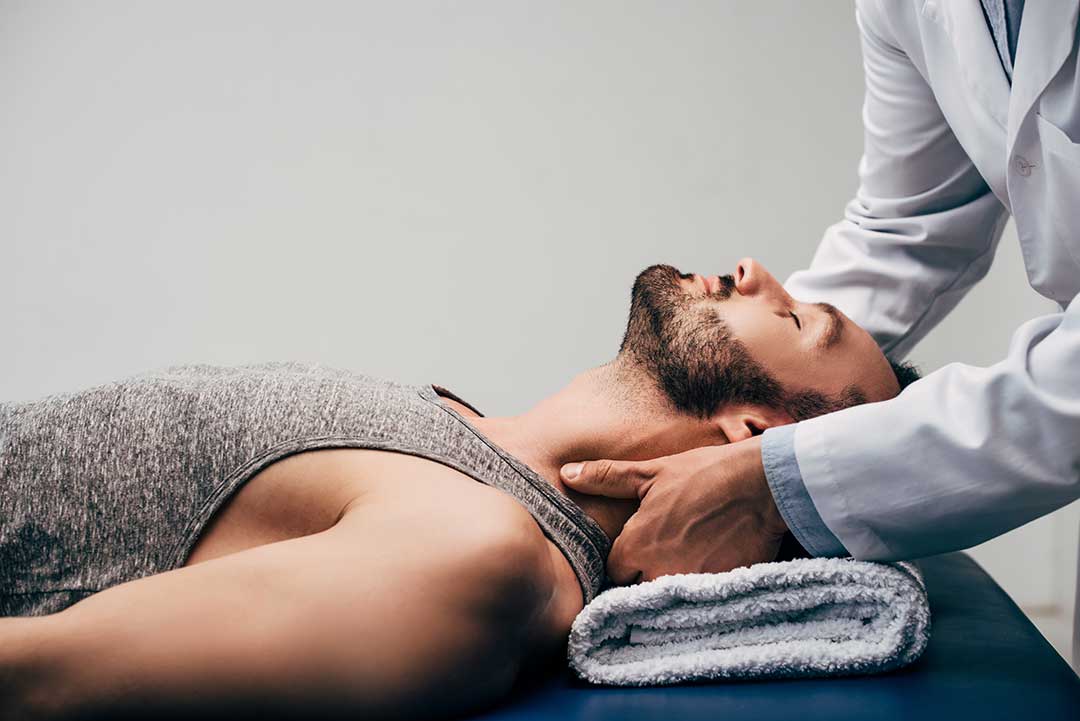
- Consider a chiropractic evaluation, particularly if you had back issues before your trip.
Travel-Friendly Stretches: Simple Moves You Can Do Anywhere
Staying limber is key, even in the tight quarters of a vehicle or train seat. Here are three simple stretches New Rochelle travelers swear by:
- Seated Figure Four Stretch: Sit tall, cross your right ankle over your left knee, and gently lean forward. Hold 20 seconds, then switch sides.
- Seated Torso Twist: Sit upright, place your right hand on your left knee, gently twist your torso left, hold 10 seconds, repeat right.
- Standing Hamstring Stretch: When you get a chance, stand up, place one heel on a low step, keep your back straight, and gently lean forward.
These help reduce tension not only in your lower back but throughout your hips, glutes, and legs.
When to Seek Help: Signs You Shouldn’t Ignore
A little stiffness after a trip is common. However, if you experience any of the following symptoms, it’s wise to consult a local chiropractic professional:
- Persistent back pain that doesn’t go away after a day or two
- Sciatic pain—discomfort radiating down one or both legs
- Numbness, tingling, or weakness in your legs or feet
- Difficulty standing up straight or walking
Proactively addressing these issues can keep you on track—whether you're enjoying waterfront parks in New Rochelle or commuting into Midtown Manhattan.
Embracing the New Rochelle Lifestyle—Pain-Free
One of the great joys of living in New Rochelle is access to local parks, waterfront trails, and city-style amenities, all within reach of major transportation hubs. By preventing lower back pain during travel, you remain free to explore all the area has to offer without limitation.
Be proactive: stretch before and after you travel, watch your posture, and make ergonomic choices whenever you’re on the move. If back pain ever becomes a concern, a visit to your local chiropractor can get you back on track quickly. Safe travels, and enjoy everything our vibrant community and the wider world have to offer—pain free!
